

Last Updated on December 3, 2025 by Shrestha Dash
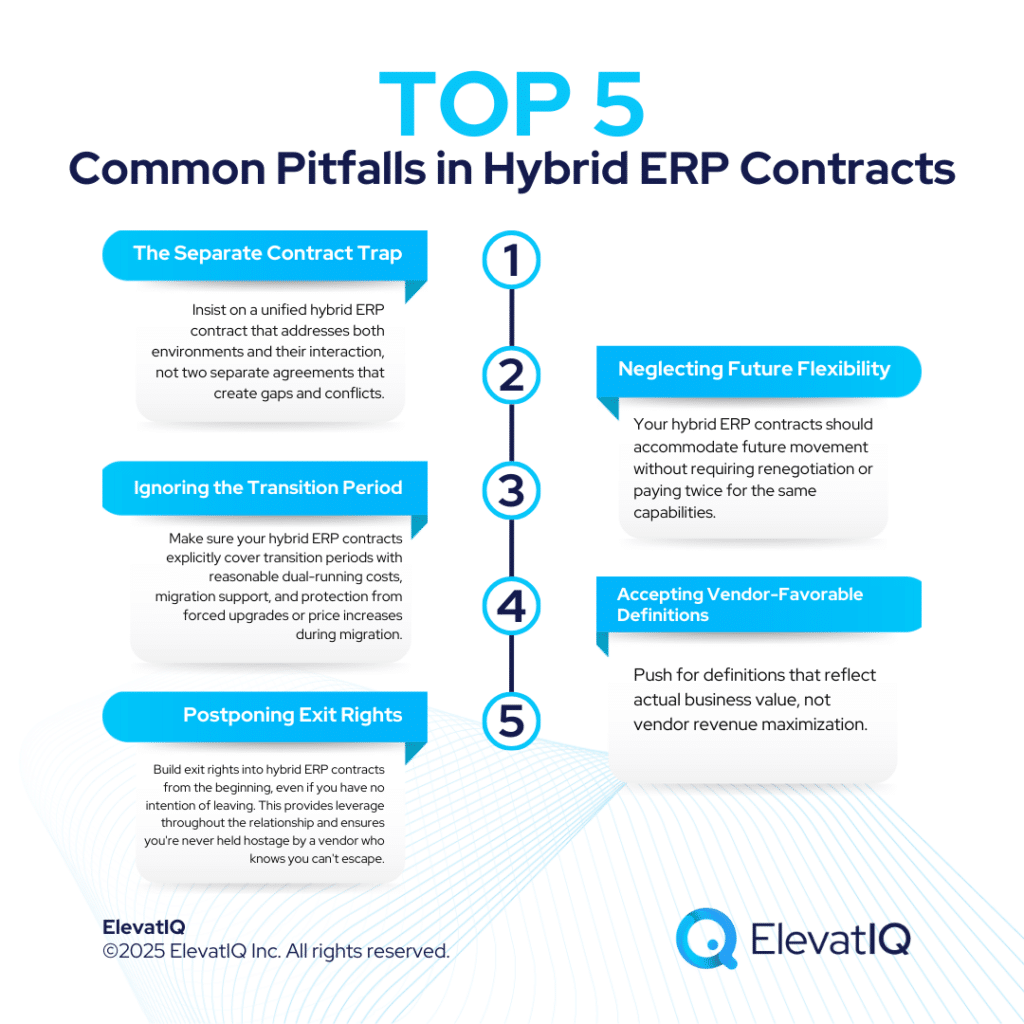
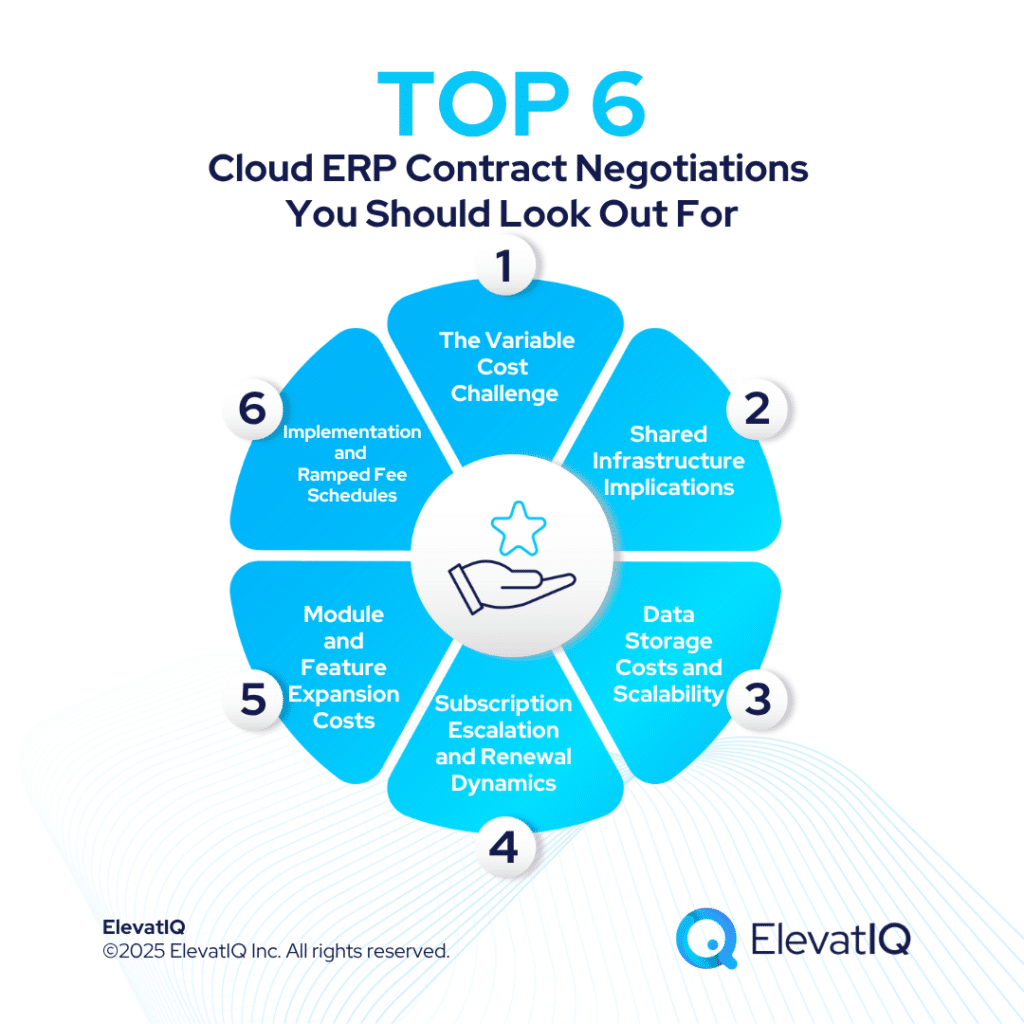
Vendor lock-in concerns are reaching unprecedented levels as organizations recognize how deeply ERP systems embed themselves into business operations, creating dependencies that can constrain strategic flexibility for decades. Most organizations approach ERP procurement focused exclusively on selection and implementation, treating contracts as formalities rather than strategic documents that determine their ability to transition away from vendors when relationships deteriorate, vendors are acquired, or better alternatives emerge. The result: companies discovering too late that unfavorable contract terms have effectively trapped them in vendor relationships that no longer serve their interests.
Understanding how to negotiate comprehensive ERP exit strategies—including data migration rights, transition assistance provisions, source code escrow arrangements, and termination clauses that preserve operational continuity—represents one of the most critical yet overlooked aspects of enterprise software procurement. Organizations that secure these protections upfront maintain strategic flexibility, while those who don’t find themselves locked into suboptimal vendor relationships with limited recourse.
The Rising Imperative of ERP Exit Strategies
The enterprise software landscape evolves constantly through vendor acquisitions, product discontinuations, strategic direction changes, and competitive innovation that creates better alternatives than systems organizations implemented years earlier. Despite this reality, most ERP contracts include minimal exit provisions, leaving organizations vulnerable when circumstances demand vendor transitions.
Why Vendor Lock-In Has Intensified
Several factors have amplified vendor lock-in challenges in recent years, making ERP exit strategies more critical than ever:
- Vendor Consolidation: The enterprise software industry’s ongoing consolidation creates situations where vendors you selected carefully get acquired by companies whose products, pricing, or strategic direction don’t align with your needs. Without strong ERP exit strategies, these acquisitions trap you in deteriorating relationships.
- Cloud Subscription Models: The shift from perpetual on-premises licensing to cloud subscriptions eliminated the “stop paying and keep using” option that provided fallback positions with traditional ERP. Cloud subscriptions mean immediate system shutdowns when payments stop, regardless of operational dependencies or transition readiness.
- Increased System Integration: Modern ERP systems integrate with dozens of applications across the enterprise technology stack. These deep integrations create technical dependencies that make switching vendors substantially more complex than when ERP operated as relatively isolated systems.
- Customization Investments: Organizations invest millions customizing ERP systems to their specific processes, workflows, and requirements. Without clear intellectual property provisions in ERP exit strategies, these customizations remain vendor property, forcing companies to recreate functionality when switching platforms.
- Data Volume Growth: The explosion of operational data ERP systems accumulate makes data migration increasingly complex and risky. Without comprehensive data export rights in ERP exit strategies, organizations face months of effort extracting information from systems designed to retain rather than release data.

Contract Termination Clauses: Beyond Standard Boilerplate
Most standard ERP contracts include minimal termination provisions focused primarily on vendor protections rather than buyer flexibility. Comprehensive ERP exit strategies require substantially more detailed termination clauses addressing multiple termination scenarios and transition obligations.
Termination for Convenience
While vendors resist termination-for-convenience clauses, buyers need flexibility to exit relationships when business circumstances change, better alternatives emerge, or mergers/acquisitions alter strategic directions:
- Reasonable Notice Periods: Rather than accepting vendor-imposed 90-180 day notice requirements with full payment obligations through notice periods, negotiate reasonable advance notice (60-90 days) with prorated final payment obligations based on actual system usage.
- Reduced Termination Fees: Vendors typically demand substantial early termination fees—often 50-100% of remaining contract value. ERP exit strategies should cap termination fees at reasonable percentages (25-35% of remaining obligations) that compensate vendors for lost revenue without creating prohibitive barriers to exit.
- Declining Fee Structures: Negotiate termination fees that decline over contract duration rather than remaining static. Third-year termination fees should be lower than first-year fees, reflecting diminished vendor investment and your increased option value.
- Waived Fees for Vendor Failures: Ensure termination-for-convenience provisions don’t apply when you’re terminating due to vendor performance failures, security breaches, or material contract violations. Vendor-caused terminations should incur no fees beyond prorated usage through termination date.
Termination for Cause
ERP exit strategies must define specific circumstances enabling immediate termination without penalty when vendors fail to meet contractual obligations:
- Performance Failures: Define precise performance thresholds—system uptime below contracted SLAs for specified durations, persistent inability to meet response time commitments, or sustained support quality failures—that trigger termination rights without fees or penalties.
- Security Breaches: Material security incidents resulting from vendor negligence, failure to apply security patches promptly, or inadequate security controls should enable immediate termination. Contracts should warrant that security breaches causing customer data exposure automatically trigger zero-fee termination rights.
- Vendor Business Changes: Acquisitions by competitors, significant layoffs affecting support capabilities, office closures impacting service delivery, or executive departures signaling strategic instability should enable termination without penalty. ERP exit strategies should protect buyers when vendor business circumstances deteriorate substantially.
- Failed Implementations: If initial implementations don’t meet acceptance criteria within reasonable timeframes (typically 12-18 months), buyers should retain termination rights recovering implementation investments rather than remaining locked into failed projects.
- Compliance Violations: Vendor violations of regulatory requirements, failure to maintain required certifications, or practices creating compliance risk for buyers should enable immediate termination. This proves particularly critical in regulated industries where vendor failures can expose customers to regulatory penalties.
Data Export Rights: Ensuring Information Portability
Your operational data represents your organizational knowledge, competitive intelligence, and business continuity foundation. Yet many ERP contracts include vague or limited data export provisions that constrain your ability to retrieve information when transitioning away from vendors.
Comprehensive Data Definitions
ERP exit strategies must explicitly define “data” broadly to encompass all information organizations need to continue operations and transition to alternative systems:
- Transactional Data: All historical and current transaction records—sales orders, purchase orders, inventory movements, financial transactions, production records, quality data—in formats that preserve data integrity and relationships.
- Master Data: Customer information, vendor records, item masters, bill of materials, routing data, employee records, and all reference data that define organizational relationships and configurations.
- Configuration Data: System configurations, user permissions, workflow definitions, report specifications, dashboard layouts, and all settings that represent how you’ve tailored ERP to your operations. While these may be vendor-specific formats, they document your process designs.
- Historical Reporting Data: Access to historical reports, analytics, and business intelligence outputs for regulatory compliance, audit requirements, and historical trending analysis. Many regulations require maintaining historical data for 7+ years beyond system retirement.
- Metadata and Data Dictionaries: Comprehensive documentation of data structures, field definitions, table relationships, and data formats necessary to understand exported information and map it to new systems during transitions.
- Customization and Integration Documentation: Complete documentation of custom code, integration specifications, and technical configurations that future systems will need to replicate functionality.
Data Export Format Requirements
Simply defining data scope isn’t sufficient—ERP exit strategies must specify export formats ensuring data usefulness:
- Standard Formats: Require data exports in industry-standard formats (CSV, XML, JSON) that any alternative system can consume rather than proprietary formats requiring vendor tools to interpret.
- Documented Schemas: Vendors must provide comprehensive schema documentation explaining data structures, field definitions, code translations, and relationships within exported data files.
- Verified Completeness: Establish procedures for verifying export completeness before contract termination, ensuring vendors have provided all contracted data without omissions or corruption.
- Multiple Export Opportunities: Negotiate rights to multiple data exports during transition periods—preliminary exports for testing and mapping, updated exports as data changes, and final exports at termination—rather than single export events that create critical dependencies.
- No Additional Fees: Data export should be included in base contract terms rather than subject to additional fees, professional services charges, or administrative costs that vendors sometimes impose when customers attempt to exit.
Data Export Timing and Access
When you can access data critically impacts transition planning and operational continuity:
- On-Demand Export Rights: Rather than limiting exports to termination events, negotiate rights to complete data exports annually for disaster recovery, audit compliance, and transition preparedness. This enables testing migration procedures before urgency forces improvisation.
- Extended Access Periods: Secure 60-90 day post-termination system access enabling you to retrieve any data elements discovered missing from initial exports or needed for dispute resolution and compliance verification.
- Read-Only Access: Even after termination, maintain read-only system access for 12 months enabling compliance teams, auditors, and legal counsel to reference historical data without reconstructing it from exports.
Transition Assistance Obligations
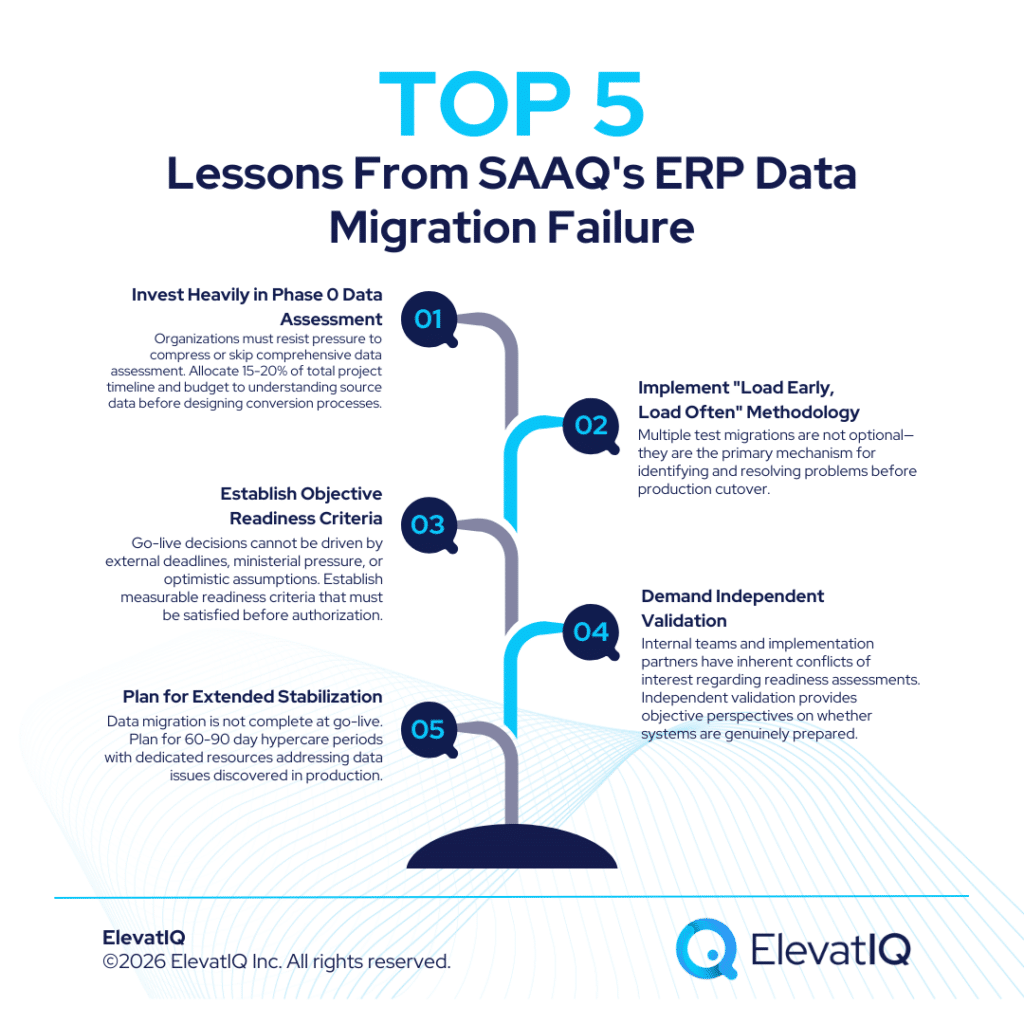
Data export rights alone don’t guarantee successful transitions—organizations need vendor cooperation during migrations to alternative systems. Comprehensive ERP exit strategies establish specific vendor obligations supporting smooth exits.
Knowledge Transfer Requirements
Vendors possess critical system knowledge that customers need to maintain operations during transitions or enable alternative vendors to understand current configurations:
- Documentation Delivery: Contracts should require vendors to provide complete system documentation including custom code specifications, integration details, security configurations, workflow definitions, and operational procedures within 30 days of termination notice.
- Technical Q&A Sessions: Negotiate vendor obligations to conduct structured knowledge transfer sessions (e.g., 20-40 hours of technical team time) answering questions from transition teams about system architecture, data structures, custom functionality, and integration specifications.
- Configuration Exports: Beyond data, vendors should provide exports of complete system configurations enabling alternative vendors to understand how systems were set up, even if new systems implement functionality differently.
Migration Support Services
Organizations transitioning away from ERP systems benefit substantially from vendor migration assistance, though vendors understandably resist supporting customer exits:
- Data Mapping Assistance: While vendors won’t perform complete migrations to competitors, negotiate limited assistance mapping current data structures to export formats and explaining data relationships that transition teams need to understand.
- Technical Consultation: Secure defined professional services hours (e.g., 40-80 hours) at reasonable rates for technical consultation during migration projects, enabling transition teams to ask questions about current system functionality, integration points, and configuration logic.
- Validation Support: Negotiate vendor assistance validating data export completeness and accuracy, comparing export file record counts against system totals, and verifying critical data integrity before transition cutover.
Reasonable Cooperation Standards
Beyond specific deliverables, ERP exit strategies should establish general cooperation obligations:
- Good Faith Participation: Vendors must participate reasonably in transition activities, responding promptly to technical questions, troubleshooting data export issues, and facilitating knowledge transfer without obstruction or deliberate delays.
- Continued Support During Transition: Support obligations continue at contracted service levels throughout transition periods rather than degrading once termination notices are filed. Organizations need full system functionality while planning and executing migrations.
- No Retaliatory Actions: Contracts should explicitly prohibit vendors from degrading service, limiting system access, or otherwise retaliating against customers who file termination notices and request transition assistance.
Source Code Escrow: Insurance Against Vendor Failure
While data export and transition assistance address planned exits, source code escrow protects against vendor failures, bankruptcies, or situations where vendors cease supporting products you depend upon.
Understanding Source Code Escrow
Source code escrow arrangements involve vendors depositing complete system source code, build environments, documentation, and supporting materials with neutral third-party escrow agents who release these materials to customers when specific trigger events occur:
- Vendor Bankruptcy: If vendors file bankruptcy, escrow agents release source code enabling customers to maintain and modify systems independently rather than losing access to business-critical functionality.
- Support Abandonment: When vendors discontinue product support, fail to maintain systems as contracted, or cease business operations, escrow releases provide customers continuity alternatives.
- Acquisition Scenarios: If vendors are acquired by competitors or companies whose strategic directions conflict with customer interests, escrow provisions may trigger, providing independence options.
- Material Breach: Sustained vendor contract violations or performance failures below agreed standards can trigger escrow release, enabling customers to take control of system maintenance.
Source Code Escrow Contract Provisions
Effective ERP exit strategies incorporate comprehensive source code escrow arrangements:
- Escrow Scope Definition: Clearly define what vendors must deposit—complete source code, database schemas, development tools, build scripts, deployment procedures, administrative documentation, and all materials necessary to recreate development environments and maintain systems independently.
- Regular Update Requirements: Vendors must deposit updated source code quarterly or with each major release, ensuring escrowed materials reflect current system versions rather than becoming obsolete as systems evolve.
- Verification Procedures: Include escrow verification where independent third parties periodically test whether escrowed materials are complete, current, and usable for recreating working systems. Unverified escrow provides false security if deposited materials prove inadequate when needed.
- Trigger Condition Clarity: Define trigger events enabling escrow release as specifically and objectively as possible—bankruptcy filing dates, consecutive days of support non-response, explicit written notice of support discontinuation—avoiding ambiguous conditions that create disputes.
- Rights Upon Release: Specify exactly what rights customers obtain when escrow releases—typically limited to maintaining and modifying for internal use rather than commercial distribution, but sufficient for operational continuity.
- Escrow Agent Selection: Use established, specialized escrow agents (Codekeeper, Escode, SES Escrow) with proven track records rather than generic escrow services lacking software-specific expertise.
When Source Code Escrow Matters Most
Not every ERP implementation warrants source code escrow complexity and cost. Situations where escrow provides substantial value include:
- Mission-Critical Custom Systems: Organizations heavily reliant on customized ERP deployments with unique configurations representing significant intellectual property investment benefit substantially from source code escrow protection.
- Small or Financial-Unstable Vendors: When licensing ERP from smaller vendors or those with questionable financial stability, source code escrow protects against bankruptcy or business failure risks.
- Long-Term Operational Dependencies: Systems expected to operate for decades with limited practical switching options justify escrow investments protecting against various vendor failure scenarios.
- Regulated Industries: Organizations in highly regulated environments where system continuity is mandatory for regulatory compliance should consider source code escrow part of operational resilience strategies.
- Custom Industry Solutions: Specialized vertical ERP systems with limited alternative options benefit from escrow protection since finding replacement systems proves particularly difficult if vendors fail.


The 2026 Digital Transformation Report
Thinking of embarking on a ERP journey and looking for a digital transformation report? Want to learn the best practices of digital transformation? Then, you have come to the right place.
Practical Exit Planning Beyond Contracts
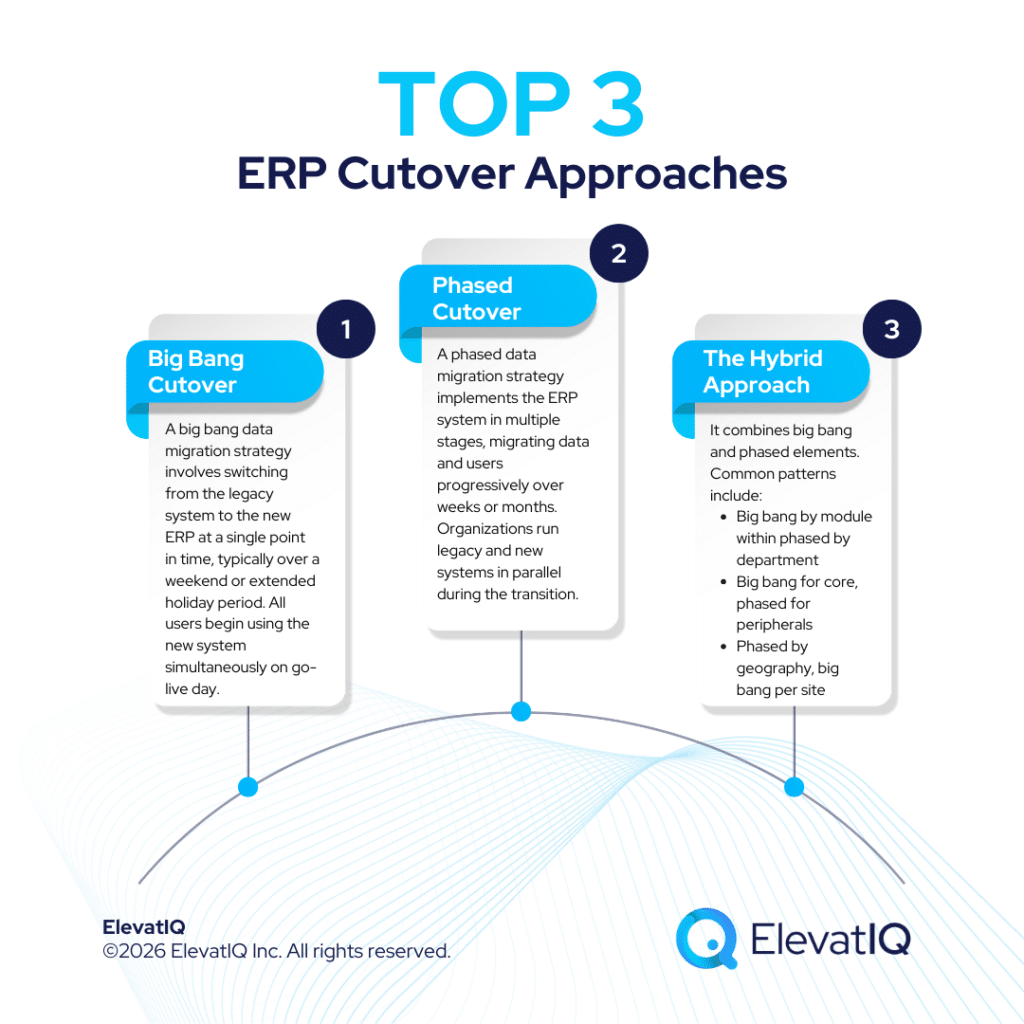
While comprehensive contract terms establish legal frameworks for ERP exit strategies, practical preparation determines whether organizations can actually execute transitions successfully when needed.
Periodic Exit Readiness Testing
Organizations should periodically test their ability to exit vendor relationships rather than discovering transition capabilities only when urgently needed:
- Annual Data Exports: Exercise data export rights annually, testing whether vendors provide complete data in specified formats and identifying gaps requiring contract amendments or vendor cooperation.
- Export Data Validation: Don’t assume vendor-provided data exports are complete or accurate. Sample and verify exported data against system records, testing whether exports preserve data integrity and relationships.
- Migration Cost Modeling: Periodically estimate actual transition costs—alternative system licensing, implementation services, data migration efforts, integration redevelopment, training, and temporary productivity losses—ensuring realistic understanding of exit economics.
- Alternative System Awareness: Maintain knowledge of alternative ERP options, even when satisfied with current vendors. Understanding competitive alternatives provides negotiating leverage and expedites decisions if circumstances force transitions.
Minimizing Lock-In During Implementation
Design decisions during ERP implementations significantly impact future exit feasibility:
- Limit Custom Code: While customization addresses unique requirements, excessive custom development creates intellectual property tied to specific platforms. Where possible, configure rather than customize, and ensure custom code ownership provisions in ERP exit strategies explicitly grant you all rights to custom work.
- Standard Integration Patterns: Build integrations using standard APIs, middleware platforms, and documented patterns rather than proprietary vendor tools that won’t transfer to alternative systems.
- Document Configuration Decisions: Maintain independent documentation of why systems were configured in specific ways, what business processes configurations support, and which stakeholders approved design decisions. This knowledge facilitates replicating functionality on alternative platforms.
- Portable Data Practices: Design data structures, coding schemes, and data practices that could transfer to alternative systems rather than embracing vendor-specific approaches that create migration complexity.
Strategic ERP Exit Strategy Negotiation
Vendor lock-in concerns have reached unprecedented levels as organizations recognize how ERP dependencies constrain strategic flexibility. Successfully negotiating comprehensive ERP exit strategies requires addressing contract termination clauses that provide realistic exit options, data export rights ensuring information portability, transition assistance obligations supporting smooth migrations, source code escrow arrangements protecting against vendor failures, and practical preparation validating exit readiness.
Organizations that negotiate strong ERP exit strategies upfront maintain flexibility to respond when vendor relationships deteriorate, better alternatives emerge, or business circumstances change. Conversely, buyers who treat exit provisions as afterthoughts discover too late that unfavorable contract terms have trapped them in suboptimal vendor relationships with limited practical recourse.
The investment in comprehensive ERP exit strategy negotiation represents insurance against future scenarios that seem unlikely during initial procurement enthusiasm but become critical when circumstances force transitions. Like all insurance, the value becomes apparent only when needed—but at that moment, the difference between organizations with strong exit protections and those without becomes measured in millions of dollars and years of constrained operations. For organizations navigating ERP procurement, independent advisory expertise provides essential guidance through the complex dynamics of exit strategy negotiation, helping secure contract protections that preserve strategic flexibility while avoiding the vendor lock-in traps that constrain so many enterprises throughout their ERP lifecycle.

FAQs
Related Posts: